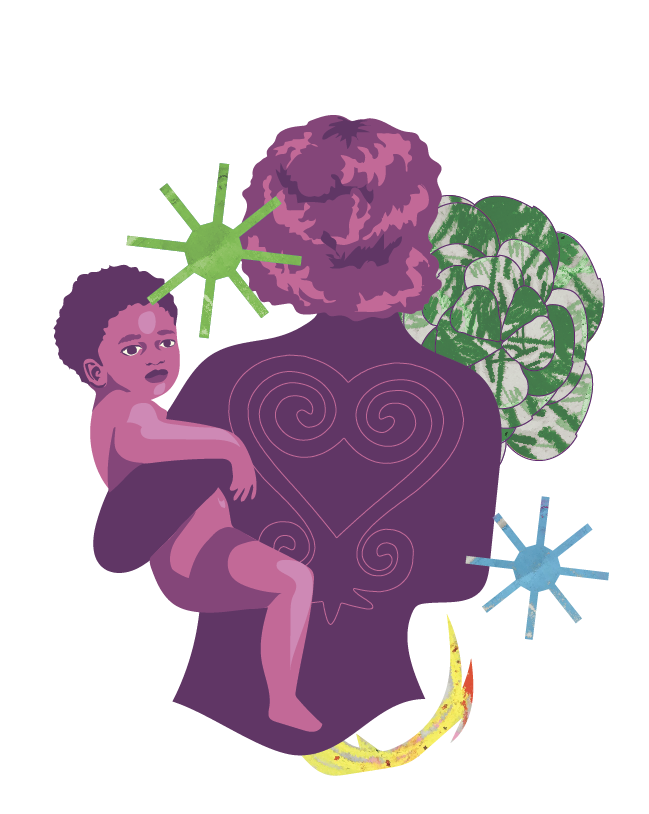
The birth justice movement is deeply rooted in the fight to dismantle systemic barriers that have long affected Black birthing individuals and communities. Below, we outline the key issues that must be addressed to ensure equitable and just birthing experiences for all:
Access to Quality Care
Black communities face significant barriers to accessing quality maternal healthcare, including a lack of facilities in underserved areas, financial barriers, and systemic biases in healthcare systems. Ensuring that all birthing individuals have access to competent, compassionate, and culturally appropriate care is a fundamental aspect of birth justice.
Systemic Racism
The impact of systemic racism permeates healthcare, resulting in disparities in maternal outcomes for Black birthing individuals. Addressing implicit biases, promoting anti-racist policies, and holding healthcare providers accountable are critical to overcoming these barriers.
Cultural Knowledge and Respect
Traditional Black birthing practices and midwifery have been marginalized by mainstream healthcare. Birth justice calls for the reclamation and respect of cultural knowledge and practices, acknowledging the value of these traditions in supporting positive birthing outcomes.
Maternal Mortality and Morbidity
Black women in the U.S. are significantly more likely to die from pregnancy-related complications than their white counterparts. Tackling maternal mortality requires addressing social determinants of health, providing better prenatal care, and ensuring healthcare providers listen toa nd respect the voices of Black birthing individuals.
Mental Health and Emotional Support
The emotional and mental health needs of birthing individuals are often overlooked. Birth justice emphasizes the importance of holistic care, including mental health support before, during, and after childbirth, to ensure the well-being of both parent and child.
Economic Inequities
Economic barriers often limit access to healthcare, quality nutrition, and necessary birthing support. Advocacy for policies that address economic inequities, such as paid parental leave and universal healthcare, is vital for birth justice.
Reproductive Autonomy
Every individual has the right to make decisions about their own body, including the birthing process. Birth justice stands firmly for reproductive autonomy, ensuring that birthing individuals have full control over their choices, free from coercion or unnecessary medical interventions.
Medical Racism and Mistrust
Historical mistreatment and ongoing discrimination have led to deep mistrust of the medical system among Black communities. Birth justice involves rebuilding trust through respectful care, community-based support models, and
the inclusion of Black birth workers.
Support for Midwives and Doulas
Midwives and doulas play a crucial role in providing culturally relevant and personalized care. Birth justice advocates for increased support and recognition of Black midwives and doulas, including access to training, certification, and fair compensation.
Policy Change and Advocacy
Achieving birth justice requires systemic policy change. From advocating for Medicaid coverage of midwifery and doula services to pushing for accountability in healthcare systems, policy advocacy is a key component of the movement.
The birth justice movement is deeply rooted in the fight to dismantle systemic barriers that have long affected Black birthing individuals and communities. Below, we outline the key issues that must be addressed to ensure equitable and just birthing experiences for all:
Access to Quality Care
Black communities face significant barriers to accessing quality maternal healthcare, including a lack of facilities in underserved areas, financial barriers, and systemic biases in healthcare systems. Ensuring that all birthing individuals have access to competent, compassionate, and culturally appropriate care is a fundamental aspect of birth justice.
Systemic Racism
The impact of systemic racism permeates healthcare, resulting in disparities in maternal outcomes for Black birthing individuals. Addressing implicit biases, promoting anti-racist policies, and holding healthcare providers accountable are critical to overcoming these barriers.
Cultural Knowledge and Respect
Traditional Black birthing practices and midwifery have been marginalized by mainstream healthcare. Birth justice calls for the reclamation and respect of cultural knowledge and practices, acknowledging the value of these traditions in supporting positive birthing outcomes.
Maternal Mortality and Morbidity
Black women in the U.S. are significantly more likely to die from pregnancy-related complications than their white counterparts. Tackling maternal mortality requires addressing social determinants of health, providing better prenatal care, and ensuring healthcare providers listen toa nd respect the voices of Black birthing individuals.
Mental Health and Emotional Support
The emotional and mental health needs of birthing individuals are often overlooked. Birth justice emphasizes the importance of holistic care, including mental health support before, during, and after childbirth, to ensure the well-being of both parent and child.
Economic Inequities
Economic barriers often limit access to healthcare, quality nutrition, and necessary birthing support. Advocacy for policies that address economic inequities, such as paid parental leave and universal healthcare, is vital for birth justice.
Reproductive Autonomy
Every individual has the right to make decisions about their own body, including the birthing process. Birth justice stands firmly for reproductive autonomy, ensuring that birthing individuals have full control over their choices, free from coercion or unnecessary medical interventions.
Medical Racism and Mistrust
Historical mistreatment and ongoing discrimination have led to deep mistrust of the medical system among Black communities. Birth justice involves rebuilding trust through respectful care, community-based support models, and the inclusion of Black birth workers.
Support for Midwives and Doulas
Midwives and doulas play a crucial role in providing culturally relevant and personalized care. Birth justice advocates for increased support and recognition of Black midwives and doulas, including access to training, certification, and fair compensation.
Policy Change and Advocacy
Achieving birth justice requires systemic policy change. From advocating for Medicaid coverage of midwifery and doula services to pushing for accountability in healthcare systems, policy advocacy is a key component of the movement.