

Which is the Best Choice for Your Home?
When it comes to choosing a fuel source for your home, the debate between propane and natural gas is a common one. Both have their unique advantages and potential drawbacks. To help you make an informed decision, let’s dive into a detailed comparison of propane and natural gas, considering aspects like cost, efficiency, environmental impact, and convenience.
Cost Comparison
Propane Costs
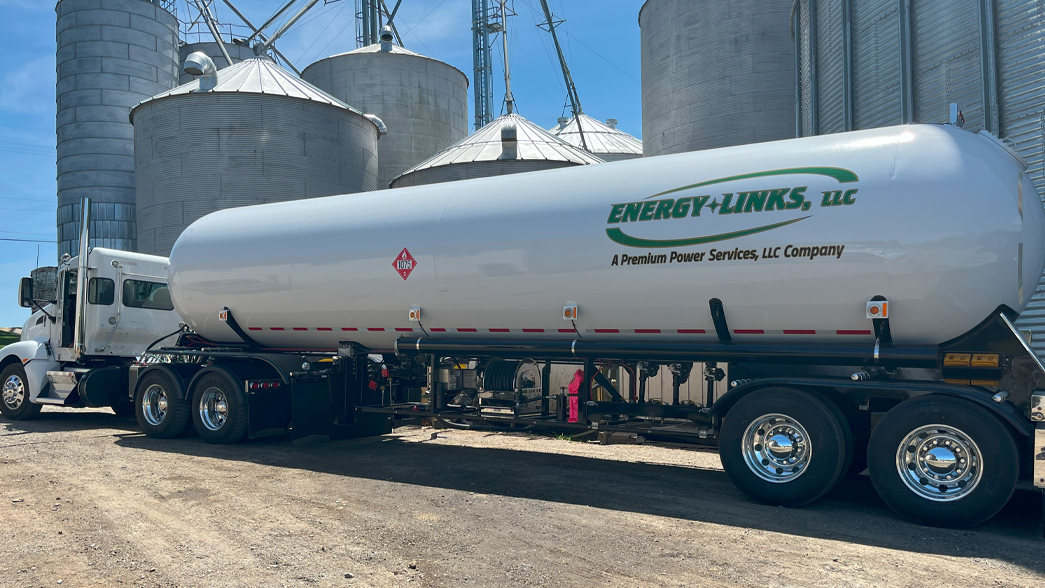
Propane is typically stored in tanks that can be purchased or leased. The cost of propane itself can vary depending on your location and the current market rates. Propane prices tend to be more stable compared to natural gas because they are less affected by pipeline issues or supply interruptions.
Natural Gas Costs
Natural gas is delivered to homes via a pipeline infrastructure, making it a convenient option in areas where this infrastructure is already established. The cost of natural gas is generally lower than propane per unit of energy produced. However, the initial cost of connecting a home to a natural gas line can be substantial if your property is not already connected to the grid.
Efficiency and Performance
Propane Efficiency
Propane is known for its high energy output. It burns hotter than natural gas, meaning it can heat your home more quickly and efficiently. This makes propane an excellent choice for areas with harsh winters or for applications that require high heat, such as cooking and water heating.
Natural Gas Efficiency
Natural gas is less energy-dense than propane, meaning you’ll need more natural gas to produce the same amount of heat. Despite this, many homeowners find natural gas to be a cost-effective option due to its lower price per unit. However, its efficiency can be impacted by the quality of the local infrastructure and delivery system.
Environmental Impact
Propane’s Environmental Footprint
Propane is a clean-burning fuel that produces fewer greenhouse gases compared to other fossil fuels. It is non-toxic and doesn’t harm soil or water in the event of a spill. Additionally, propane’s efficient combustion means it releases fewer pollutants into the atmosphere, making it a relatively eco-friendly choice.
Natural Gas’s Environmental Footprint
Natural gas is also considered a cleaner alternative to other fossil fuels, such as coal and oil. It emits less carbon dioxide when burned and has lower levels of pollutants like sulfur and nitrogen oxides. However, the extraction and transportation of natural gas can lead to methane leaks, which are a significant concern due to methane’s high global warming potential.
Convenience and Availability
Propane Availability
Propane can be used virtually anywhere, making it a versatile choice for rural areas or places without natural gas infrastructure. It’s stored in tanks on your property, giving you control over your fuel supply. However, you’ll need to monitor the tank levels and arrange for deliveries, which can be a minor inconvenience.
Natural Gas Availability
Natural gas is extremely convenient in areas with established pipeline networks. It provides a continuous supply of fuel without the need for storage tanks or regular deliveries. However, its availability is limited to regions with the necessary infrastructure, which can be a significant limitation for some homeowners.
Safety Considerations
Both propane and natural gas are generally safe when used correctly, but each has specific safety considerations:
Propane Safety
Propane tanks are robust and designed to withstand a variety of conditions. However, propane is stored under pressure and can pose a risk if the tank is damaged or if there’s a leak. It’s important to have regular inspections and maintenance performed by professionals to ensure safety.
Natural Gas Safety
Natural gas is lighter than air and disperses quickly in the event of a leak, reducing the risk of explosion. However, leaks can still pose a serious danger, particularly because natural gas is odorless and colorless. Utilities add a sulfur-like odor to make leaks detectable, but homeowners should still be vigilant about potential signs of leaks.
Conclusion
Choosing between propane and natural gas depends on various factors, including your location, budget, and specific needs. Propane offers higher energy output and versatility, making it ideal for areas without natural gas infrastructure. Natural gas, on the other hand, is often more cost-effective and convenient in regions with established pipelines. By considering the differences in cost, efficiency, environmental impact, convenience, and safety, you can make the best choice for your home’s energy needs.